
Industry context
Construction Site Infrastructure, Containerised
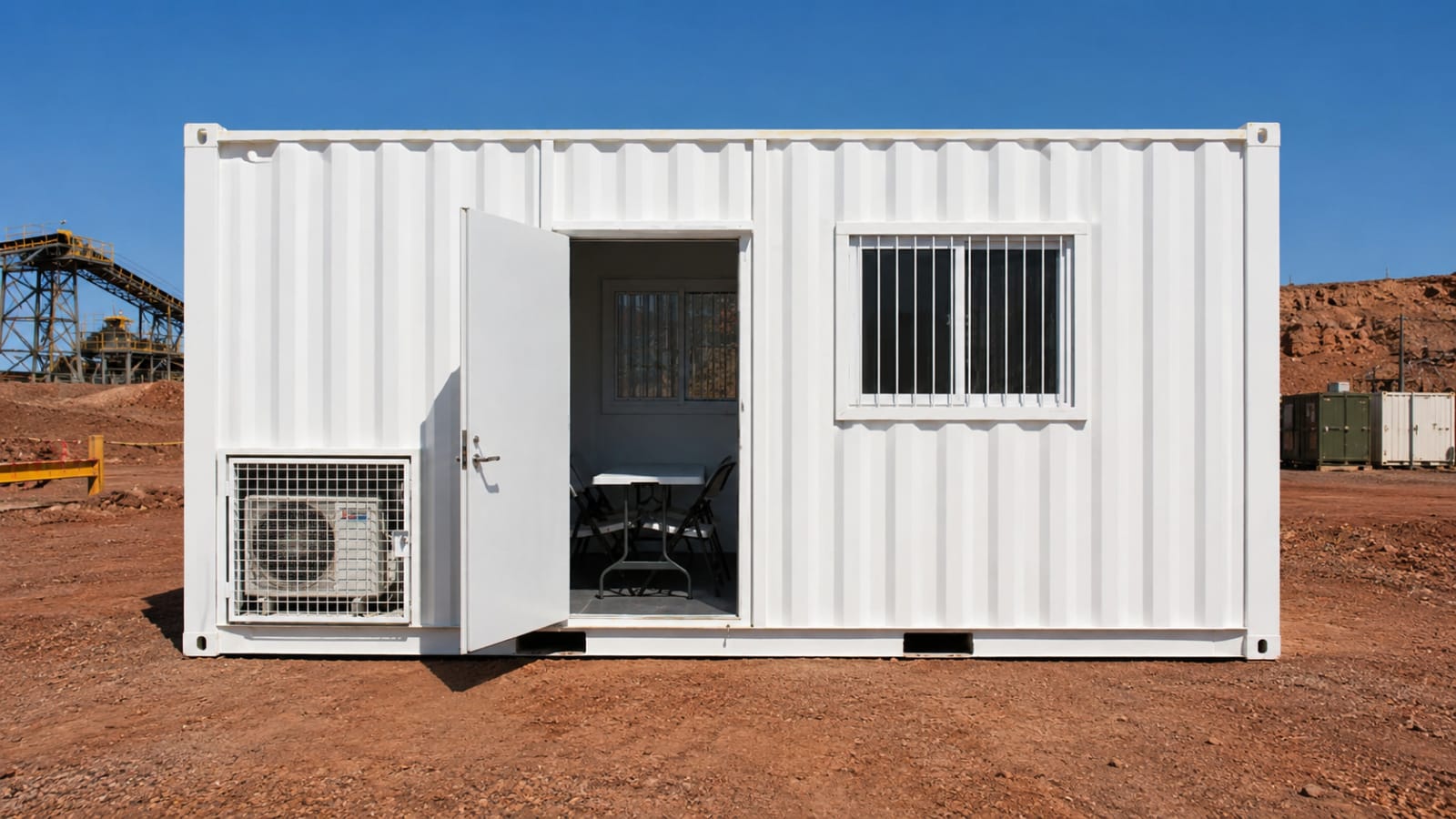
A construction site has to run before the buildings exist: offices before services connect, storage before the fence is up, power before the grid arrives, and welfare facilities from day one. SCS Global manufactures that layer factory-direct, shipped to site, craned into position, commissioned in days and redeployed to the next project.
Where SCS Global deploys
Built factory-direct for construction sites
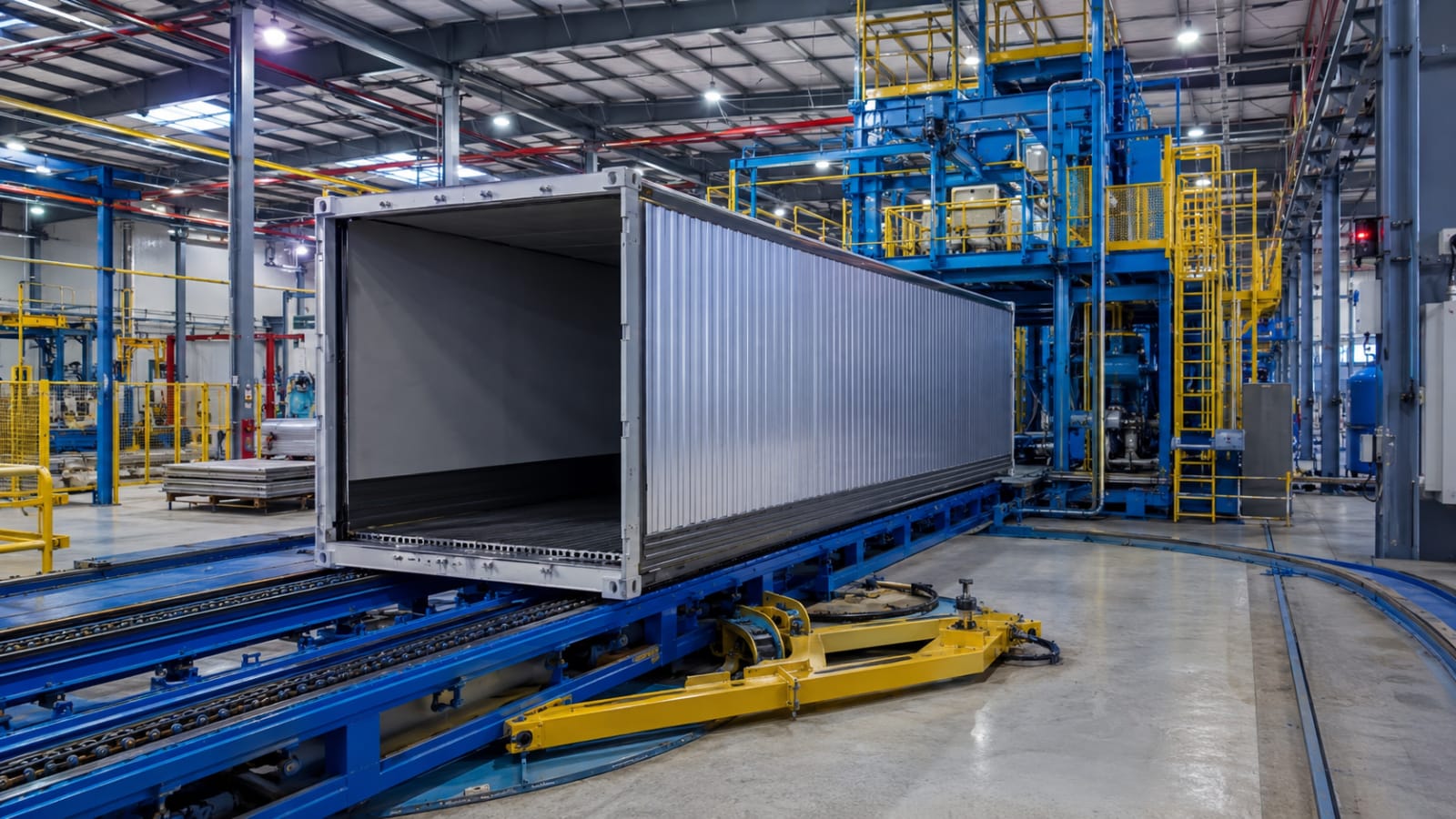
SCS Global manufactures the containerised infrastructure a construction site runs on: site offices, secure storage, dangerous goods storage, workshops, electrical enclosures and welfare units, built factory-direct and shipped to site. The units are owned infrastructure, not hire stock: built new, engineered to the standards the destination market audits against, and redeployed across project phases instead of going back to a rental yard. Buyers are contractors, builders, engineers, government project teams and EPCM contractors delivering civil, commercial and mega-projects: highways, bridges, rail, high-rise and industrial facilities. Construction containers ship from the SCS Jiangsu factory with certification packs and QA records, and construction containers transportation is standard freight logistics: ISO footprints, predictable craneage and no special permits, so the same fleet lands identically in any market.
Sector context
What is construction infrastructure?
Construction infrastructure is the large-scale civil and public works built through construction: transport, utilities, telecommunications and social systems. Construction is the process. Infrastructure is a category of what gets built. The industry splits the work three ways: building construction puts up individual buildings and runs vertical, civil construction delivers roads, bridges, rail and utilities and runs horizontal, and infrastructure is the broader category both feed into. Construction and infrastructure aren't the same thing: infrastructure is delivered through construction, but not all construction is infrastructure. A house is construction. A rail corridor is both. In Australia the National Construction Code sets the technical envelope buildings and many occupied site facilities are delivered under.
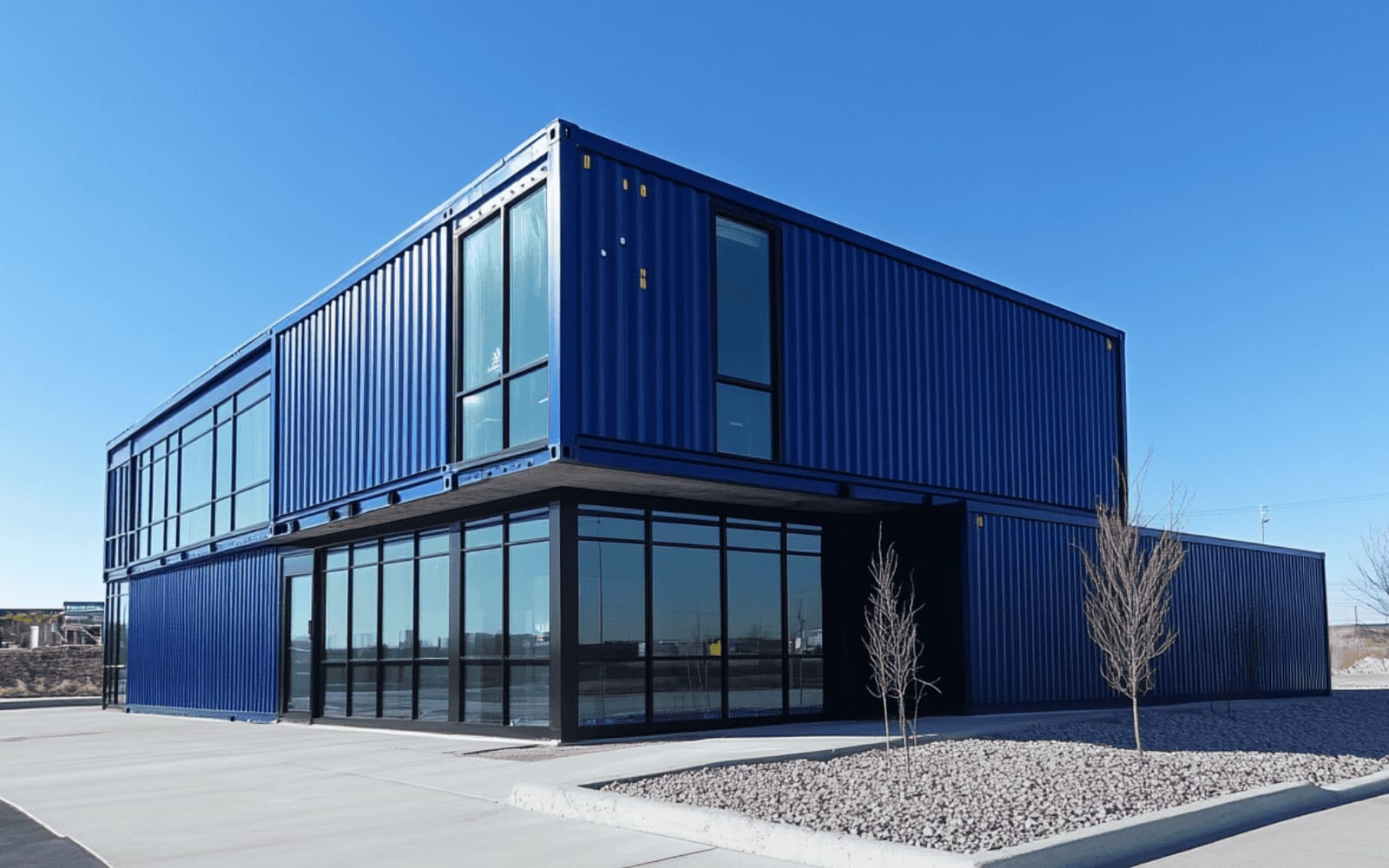
On the ground the question is narrower: what a site needs before and during the build, which comes down to offices, storage, dangerous goods compliance, power and people. Containers became the default on multi-year and relocatable projects because factory prefabrication runs in parallel with site works, saving 20 to 50% on schedule per McKinsey's modular construction research, and because the same unit disassembles and redeploys between projects as owned infrastructure rather than a sunk site cost. Units combine and stack from a single office to a multi-storey compound, where several join into one building in the modular building systems range. The construction site containers guide breaks the categories down site by site.
The construction product lines
Containerised infrastructure for construction
Five container categories cover the construction site facilities a project stands up first, each linking to the SCS product page that engineers it. Specs, configurations and pricing conversations live on those pages. This hub is the map.
-
Site office containers for construction
-
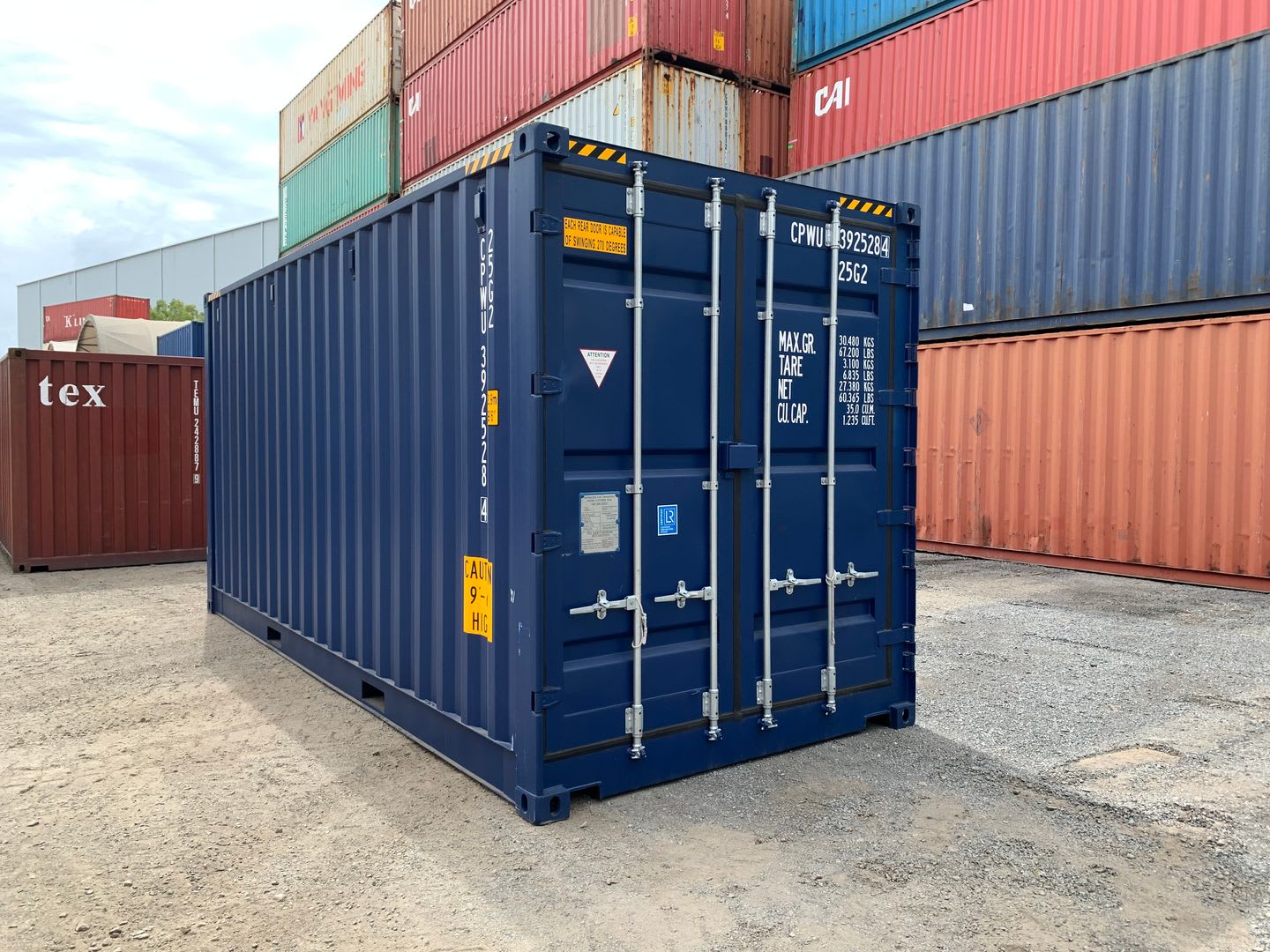
Shipping containers for construction storage
-
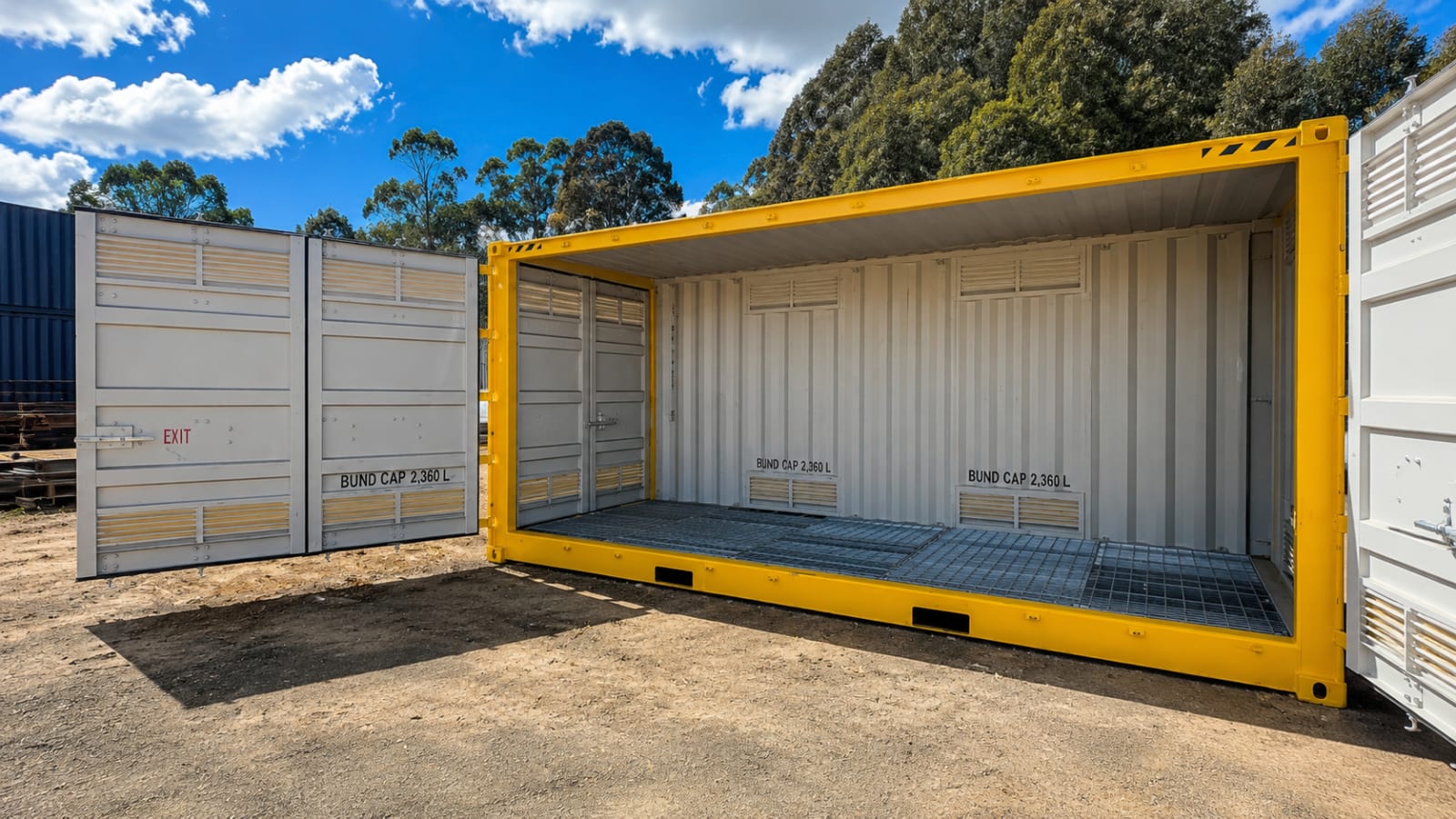
DG storage containers for hazardous materials on site
-
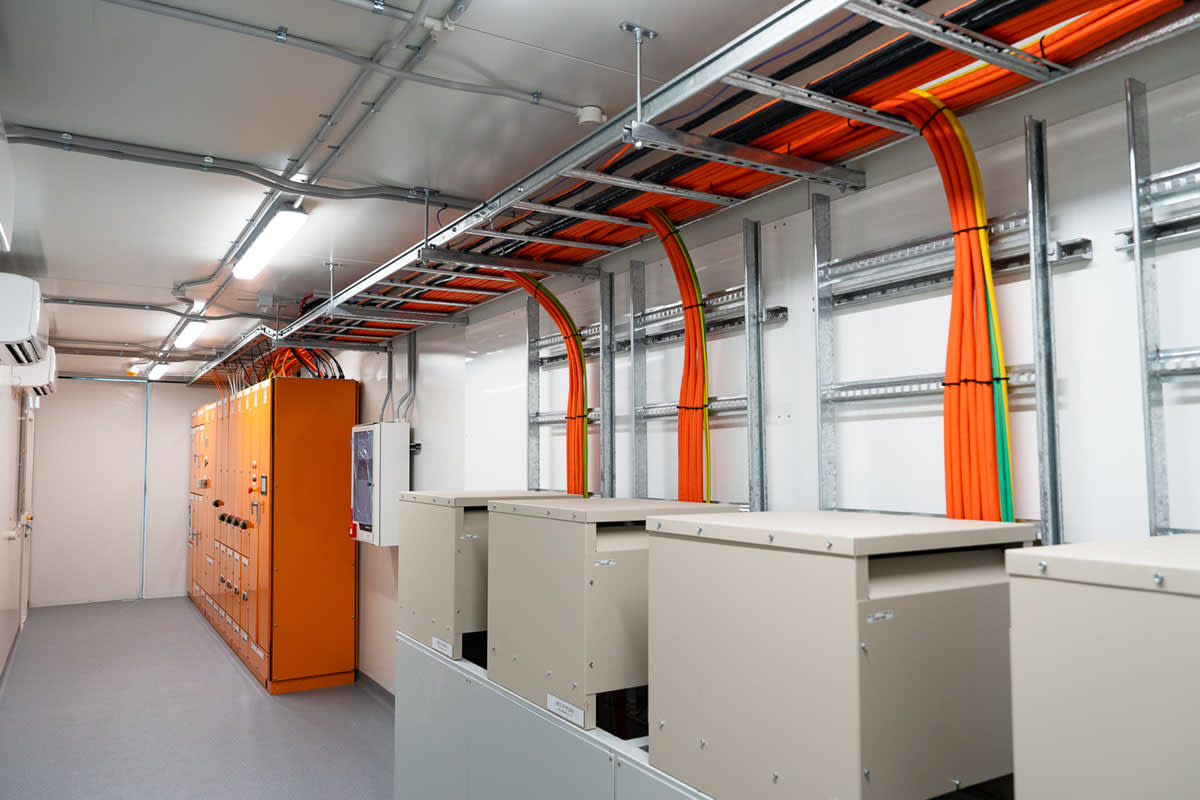
Containerised switchrooms for construction sites
-
Construction camp accommodation


Compliance and standards
Regulatory landscape for construction site infrastructure
Construction site containers are audited against WHS amenity duties, the National Construction Code, CSC 1972 structural certification, AS 1940 for dangerous goods storage and AS/NZS 3000 for electrical work. The table names the regulatory floor for Australian sites. Amenity standards are market-specific, so each unit is engineered to the standard the destination market audits against. Deep compliance lives off the hub: container certification on the shipping container certification and standards page, factory QA on how SCS manufactures every unit.
Construction-specific pain points
Construction challenges, mapped to SCS containerised solutions
The pain points that drive containerised procurement on a construction site: offices before services, secure storage, on-site fuel compliance, temporary power and workforce welfare. Each maps to a specific SCS product line. Use the table as a scoping reference. The page on each row carries the engineering behind the response.
Construction sector deployments
Construction infrastructure project evidence
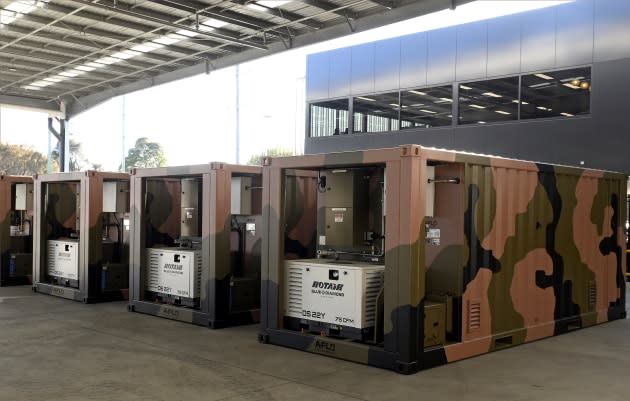
Two construction and infrastructure deployments from the published SCS project library: construction-phase project offices and grid-scale energy infrastructure, both delivered in container format.
Articles
Further reading on construction site infrastructure
One guide covers the scoping question construction procurement teams ask before anything is ordered.
How SCS Global earns the claims
Manufacturing and certification behind every construction build
Construction procurement audits two trust signals before shortlisting: factory-direct manufacturing under an ISO 9001 quality system, and the container certifications carried on every unit. Both live one click off the hub.
