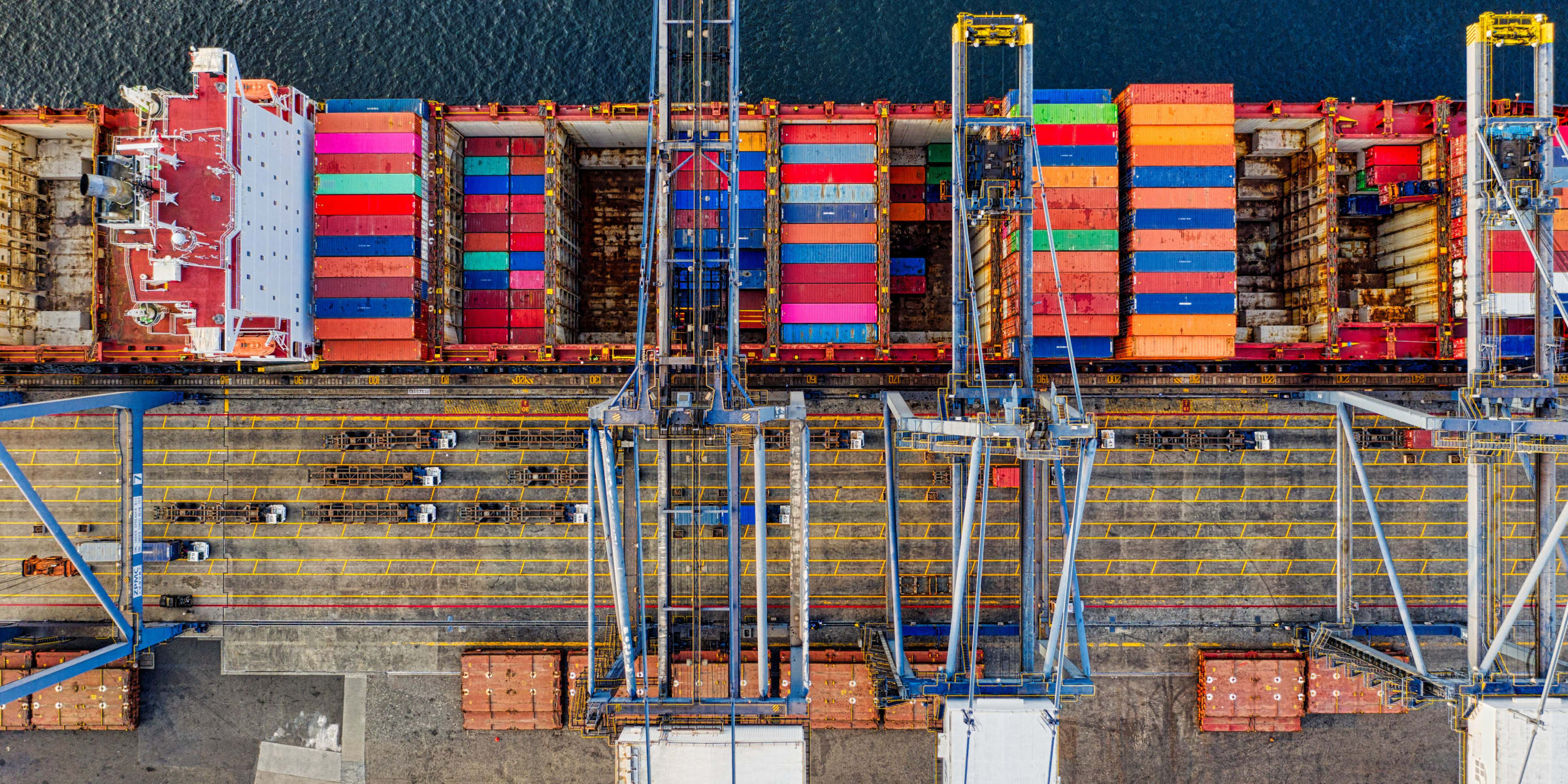
Industry context
Oil, Gas & Energy: Containerised Infrastructure
Offshore oil and gas runs on the harshest logistics in heavy industry: corrosive saltwater, explosive atmospheres, and a certification load where a platform won't accept an unsigned lift. SCS Global builds the containerised infrastructure that holds up to it, factory-direct for the operators, EPCs and drilling contractors on the world's most demanding sites.
Where SCS Global deploys
Containerised infrastructure for oil, gas and energy, built factory-direct
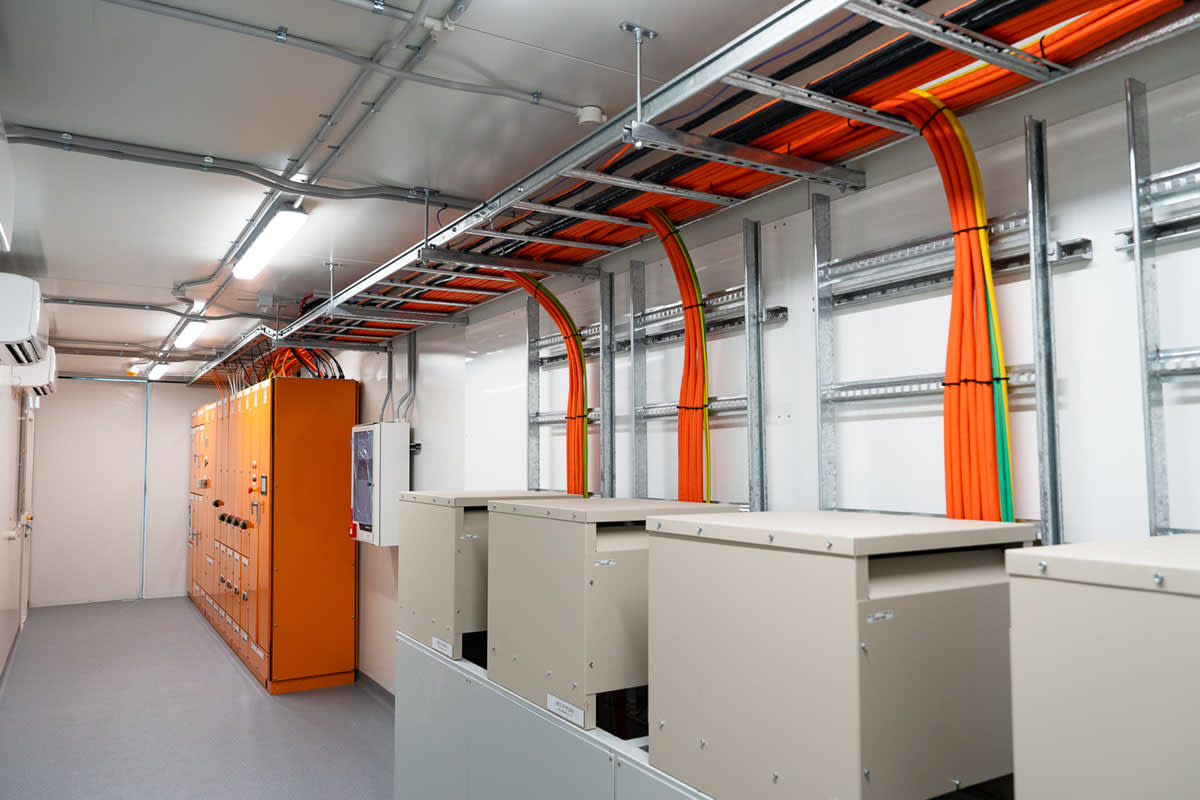
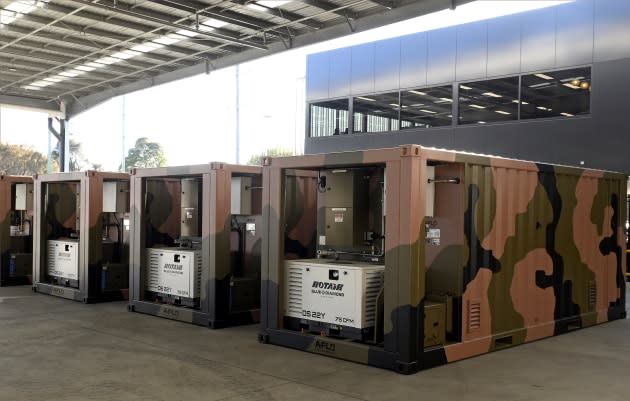
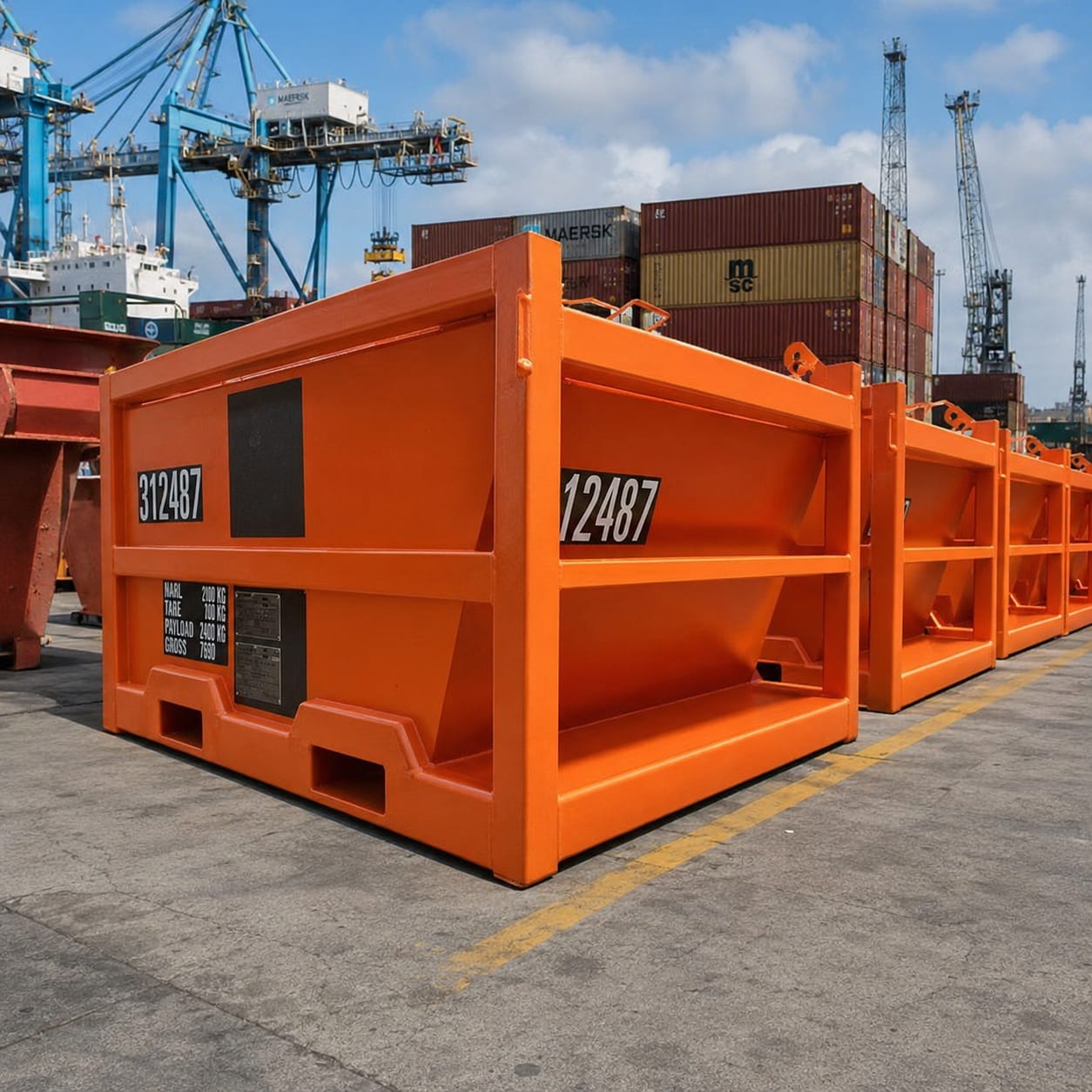
SCS Global manufactures oil and gas infrastructure in containerised, factory-built form for offshore platforms, drilling rigs, FPSOs, onshore gas plants, LNG facilities and pipeline projects worldwide. The range spans DNV 2.7-1 certified offshore containers, baskets, skids, mud skips, workshops and living quarters, plus ATEX and IECEx hazardous-area modules, containerised switchrooms and motor control centres, bunded dangerous goods storage, and wellsite offices and laboratories. Every unit ships factory-direct with full certification packs, finite element analysis and lifting calculations. This containerised oil and gas kit serves operators, EPCs, drilling contractors, fabrication yards and offshore service companies across upstream, midstream and downstream operations, plus the wider energy sector infrastructure around them.

Sector context
Why oil and gas projects build in containers, not concrete
Oil and gas infrastructure is the equipment and buildings a project needs to drill, produce, process and ship hydrocarbons: offshore platforms and the cargo carrying units that supply them, onshore gas plants and LNG facilities, and the workforce camps that house pipeline and construction crews. Offshore fields alone supply close to 30% of the world's oil, according to the U.S. Energy Information Administration. On a fixed refinery the answer is poured concrete and steel-framed buildings. On an offshore platform, a remote gas field or a pipeline corridor, the answer is containers: factory-built, road and sea freight ready, crane-lifted into position, certified for the lift, and redeployable across the life of the asset.
The driver is logistics and certification, not aesthetics. A container module ships in a standard envelope, lands on prepared foundations, and survives the saltwater, wind, vibration and crane handling that wreck conventional construction. The EPCs and oil and gas infrastructure companies running these assets specify units that already carry the DNV 2.7-1 certification an installation won't accept cargo without, and petroleum infrastructure on hazardous sites adds ATEX and IECEx ratings. The International Association of Oil & Gas Producers sets the safety and operational benchmarks the sector works to, and modular oil and gas buildings, factory-built and certified, are now the operational default offshore and at remote sites. The same logic now extends to renewable energy infrastructure. Solar farms, wind farms and battery storage projects use the same redeployable enclosures and electrical infrastructure for energy projects, and the International Energy Agency reports 108 GW of new battery storage deployed worldwide in 2025, 40% more than in 2024.
The oil & gas product lines
Containerised infrastructure for oil and gas
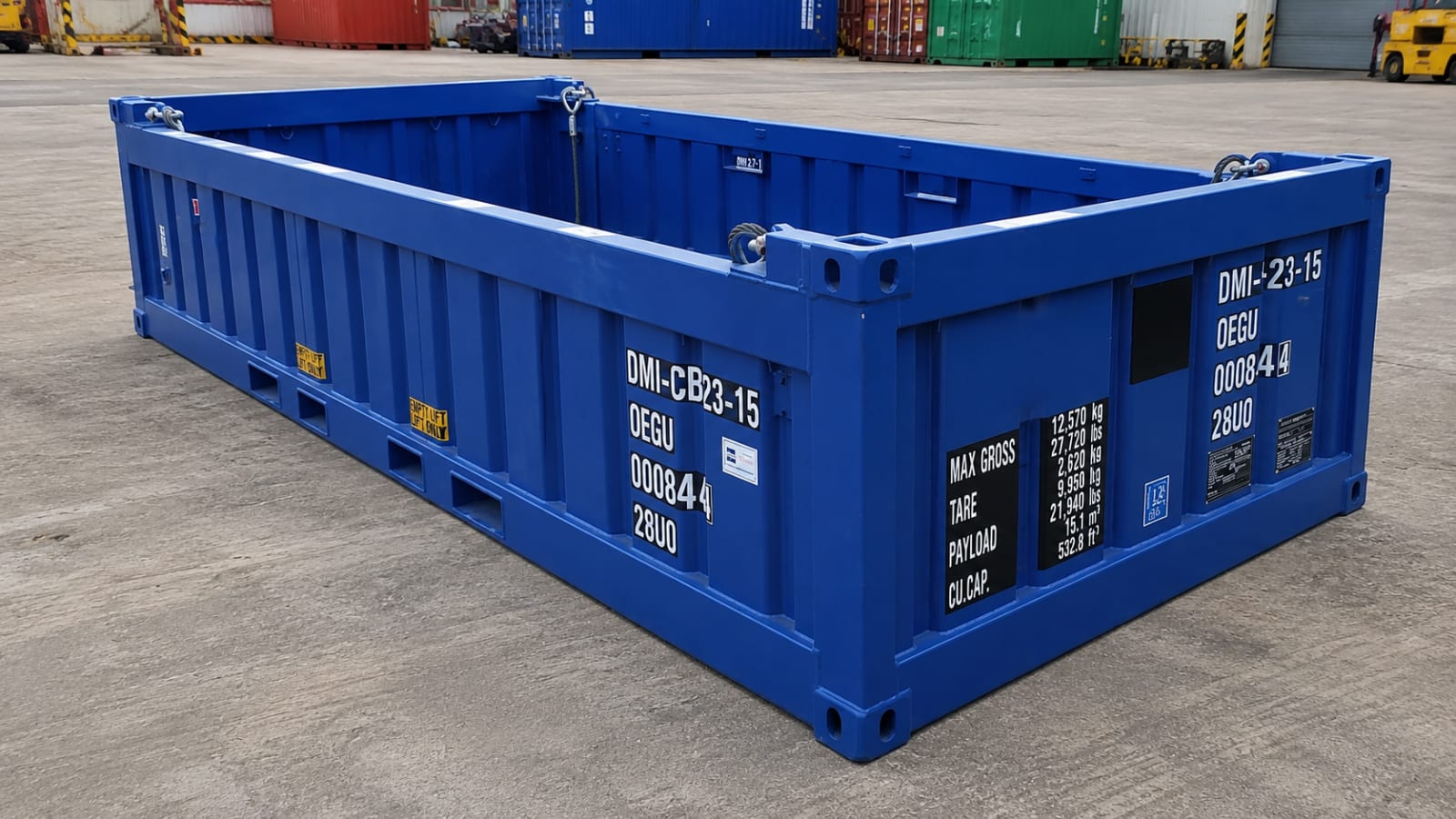
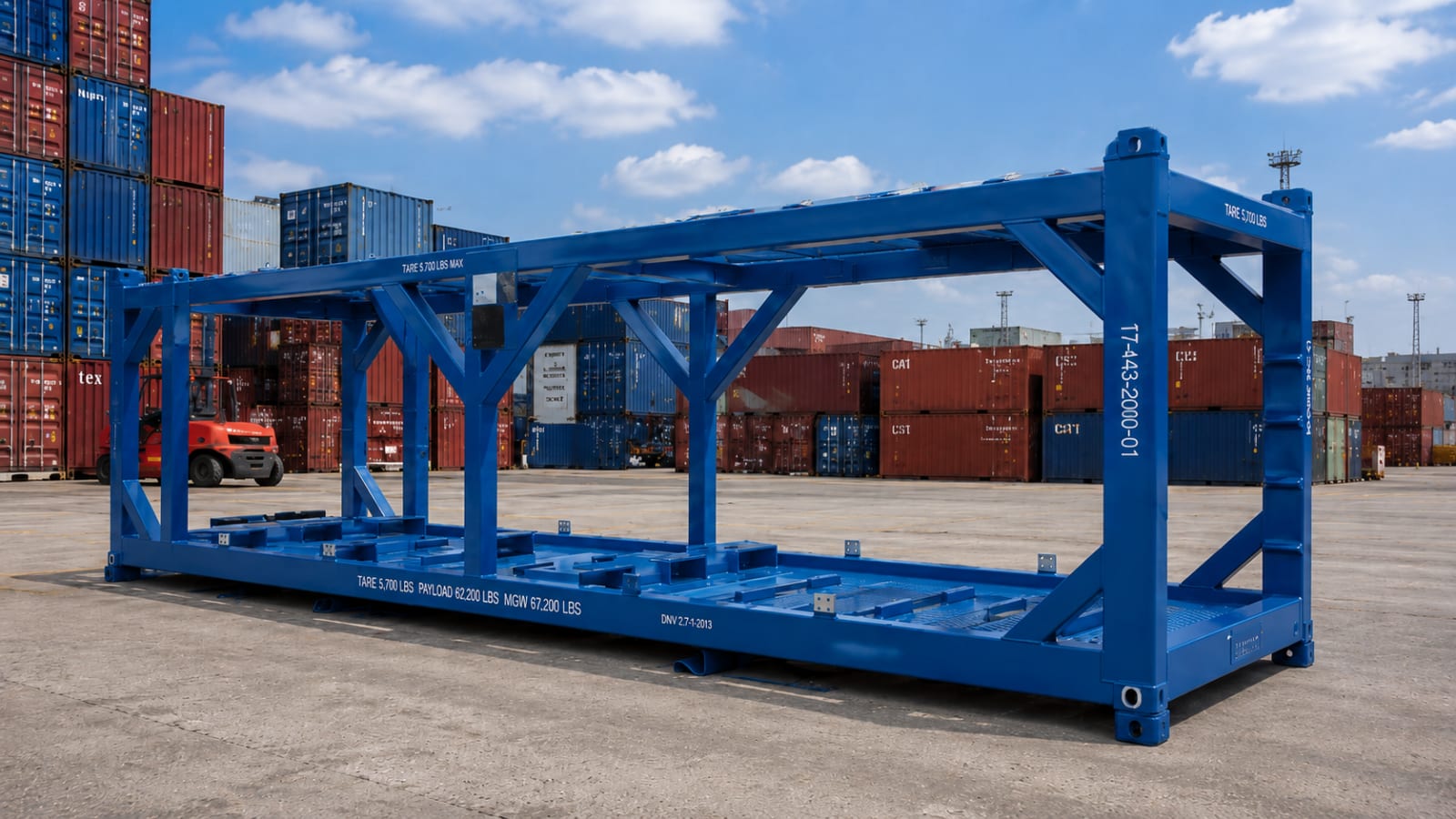
Six product lines from the SCS Global DNV-certified offshore range, built for oil and gas operations. Each card opens onto the product page, with the engineering, certification and product detail behind it.




Compliance and standards
Regulatory and certification landscape for oil and gas
Oil and gas modules are audited against offshore, fire, hazardous-area and structural standards before an installation accepts them. The table names each standard SCS Global engineers to, with one line on what it governs and a link to the issuing authority for the current revision. The hub names the standards; the clause-level detail lives in the DNV 2.7-1 and offshore container standards guide. Design engineers use it to confirm SCS builds to DNV 2.7-1, EN 12079, ATEX and IECEx before clicking through to the spec-bearing pages.
Oil & gas pain points
Oil and gas challenges, mapped to containerised solutions
The pain points that drive containerised procurement across oil and gas, each mapped to the SCS product line that answers it. Use it as a scoping reference. The page on each row carries the engineering, certification and product detail behind the response.
Midstream & downstream
LNG and gas processing facilities
LNG export and import terminals, gas processing plants and pipeline compressor stations run on the same containerised kit as the rest of the sector: bunded dangerous goods storage, hazardous-area switchrooms, gas-test labs and crew accommodation. These are high-hazard, schedule-driven builds, and LNG infrastructure is the fastest-growing slice of the petroleum infrastructure value chain. Global LNG trade grew 2.4% in 2024 to 411.24 million tonnes across 22 exporting and 48 importing markets, per the International Gas Union 2025 World LNG Report. SCS supplies the midstream and downstream pieces: bunded dangerous goods storage for LNG terminals, hazardous-area switchrooms and motor control centres for gas processing, gas-test and analysis labs and control rooms, and workforce accommodation during construction.
The DNV offshore range
Offshore oil and gas: the DNV-certified equipment range
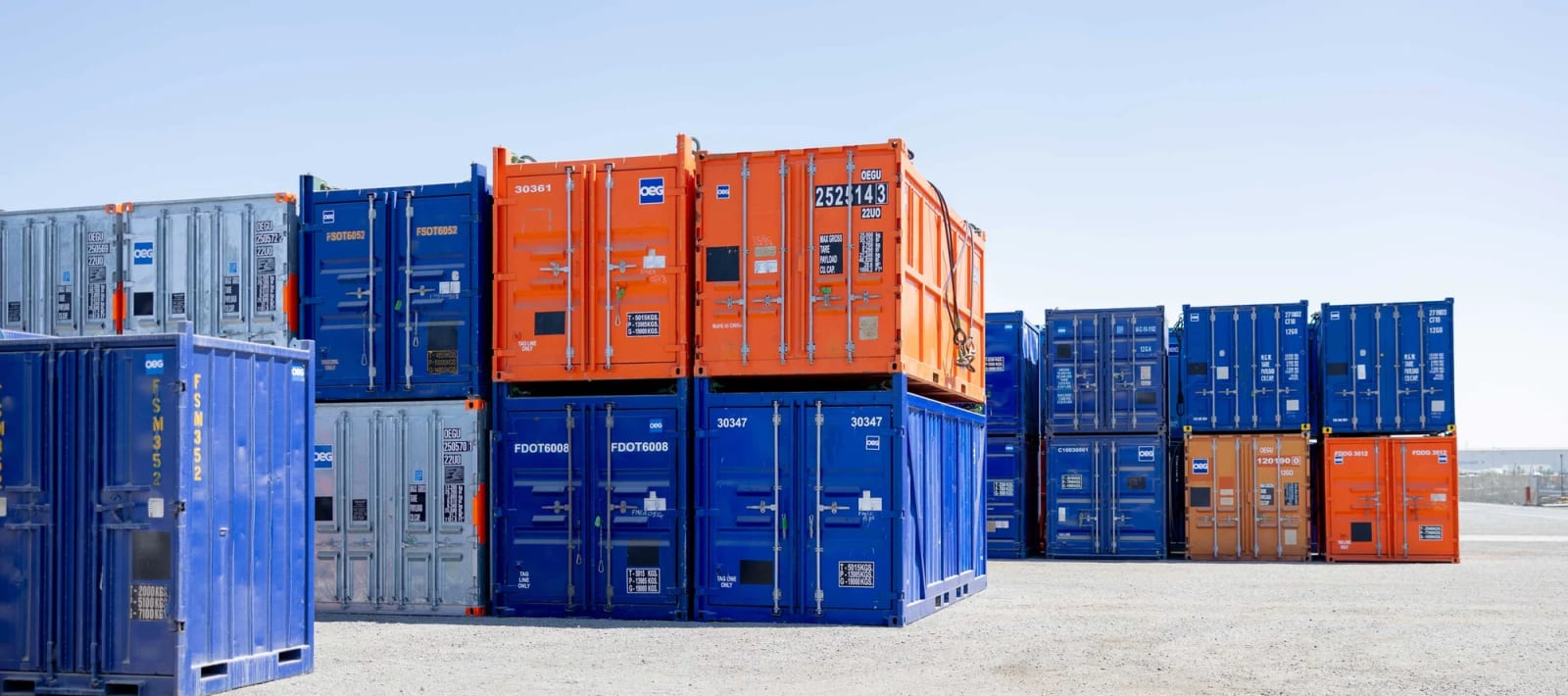
The DNV 2.7-1 certified offshore range SCS Global manufactures for oil and gas operations. Each card opens onto the product page with the dimensions, ratings and certification behind it.


Further reading
Further reading on offshore oil and gas equipment
The guides oil and gas procurement teams read before specifying offshore containerised equipment.

How SCS Global earns the claims
Manufacturing and delivery behind every oil and gas build
How SCS Global manufactures offshore-grade containerised infrastructure and delivers it worldwide. Procurement teams typically audit both the factory and the logistics before shortlisting a supplier for an oil and gas project.