Guide

Corten Steel, Marine Ply and Paint Systems: SCS Container Construction

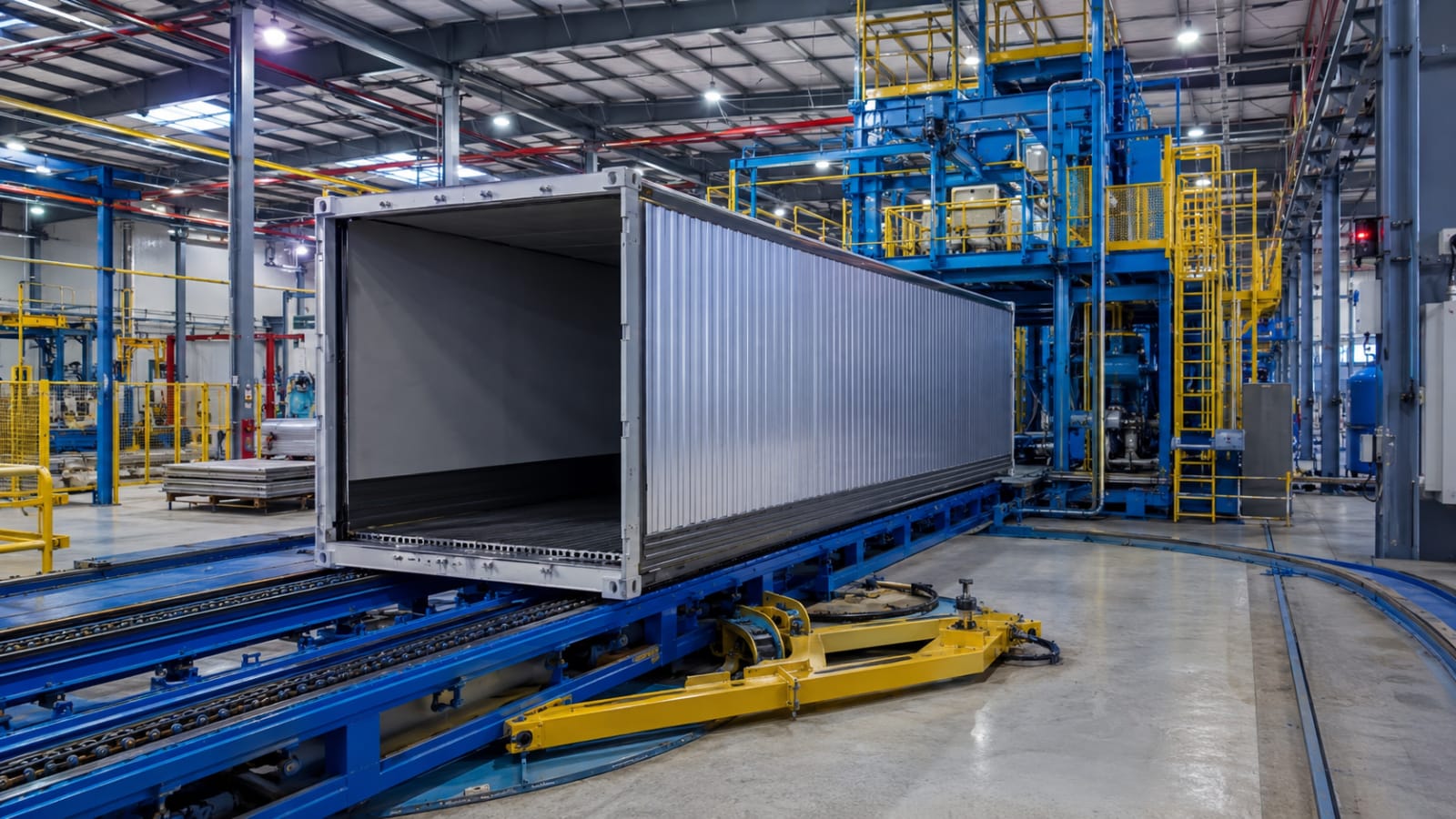
A Corten steel shipping container is built from weathering steel, a low-alloy steel that forms a tight oxide patina and slows its own corrosion. SCS builds new units from first-life weathering steel, not refurbished plate, and casts its own corner fittings on site. This page sets out the exact steel grade, gauge, marine ply floor and paint system, so you can judge build quality before you shortlist a supplier.

Summary

A Corten steel shipping container is built from a corrugated weathering-steel shell on a welded steel frame, with a 28 mm marine-grade plywood floor, eight ISO 1161 corner castings and a multi-coat marine paint system over a shot-blasted substrate. The container weathering grade is SPA-H to JIS G3125 (equivalent to COR-TEN A, ASTM A242/A588 and EN 10025-5 S355J2WP), which resists corrosion two to eight times better than ordinary carbon steel. This guide sits alongside our manufacturing & quality assurance pages at SCS Global, covering the product specifications and compliance documentation that support the same procurement audience.

01

The material

What Corten steel is and why containers use it

Corten steel is a weathering steel: a low-alloy steel that forms a stable, tightly bonded oxide layer instead of the flaking rust you get on mild steel. That patina seals the surface and slows further corrosion, which is why it carries the load on freight containers exposed to weather for decades.

The alloy chemistry does the work. Small additions of copper, chromium and nickel let the surface oxide adhere and self-renew after damage, so a scratch re-passivates rather than spreading. Weathering steels resist atmospheric corrosion roughly two to eight times better than ordinary carbon steel, which is the single biggest reason the freight industry standardised on them. The trade name COR-TEN belongs to the original US weathering-steel family covered by ASTM A242 and A588, and the container grade is a close relative tuned for forming and welding. For SCS, the appeal is whole-of-life cost: a shell that protects itself needs less coating maintenance over a 15 to 20 year service life, which matters most to operators running fleets in coastal and offshore conditions. It is the same steel family we use across the containers we build.
02

The question

Are shipping containers made of Corten steel?

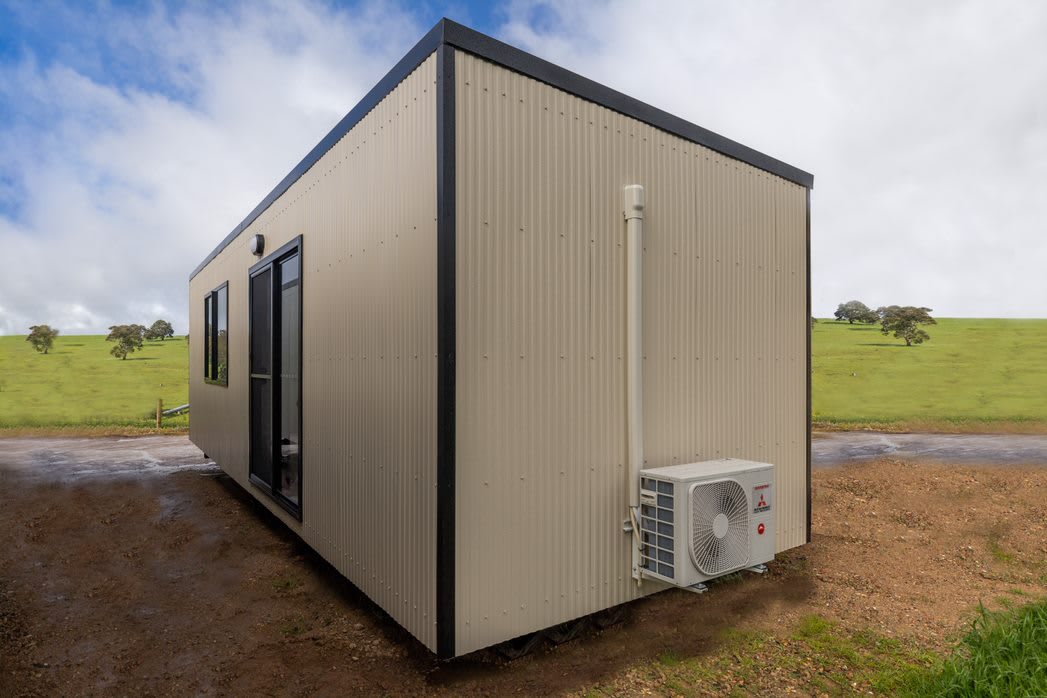
Yes. Quality shipping containers use weathering steel for the corrugated shell, welded to a steel frame, with a marine-grade plywood floor on steel cross-members. Buyers searching "are shipping containers made of corten steel" are really asking whether the box is built from self-protecting weathering steel or from cheaper mild plate, and on a properly engineered unit the answer is weathering steel.

Corten steel containers pair that shell with a heavier structural frame and ISO 1161 corner castings, so the assembly handles stacking and racking loads while the panels handle weather. The shell and the frame are different jobs done by different sections of steel. The broader question of "what are shipping containers made of", covering every stage from coil to coating, is answered in the full manufacturing process. On this page the focus is the materials themselves. One distinction matters for procurement: SCS builds new units from first-life steel rather than reworking used boxes, so the shipping container corten steel you specify arrives at its full rated thickness, not thinned by a previous service life and a grind-back.

03

Grade

Steel grade and gauge: SPA-H / JIS G3125

The shipping container steel grade most factories specify is SPA-H to JIS G3125, the Japanese standard for atmospheric-corrosion-resistant rolled steel. It is the container industry's working weathering grade, with a yield strength of at least 355 MPa and a tensile strength of at least 490 MPa.

SPA-H keeps carbon low for weldability while carrying the copper and chromium that drive corrosion resistance. That combination is what lets a thin corrugated panel take a structural load and a weld without cracking. Heavier offshore and DNV builds move up to thicker weathering plate, which we cover under our offshore-grade steel and castings.

SPA-H chemistry and mechanicals
PropertySPA-H value
Copper (Cu)0.25–0.55%
Chromium (Cr)0.30–1.25%
Nickel (Ni)≤0.65%
Carbon (C)≤0.12% (low for weldability)
Yield strength≥355 MPa
Tensile strength≥490 MPa
Grade equivalents across markets
MarketEquivalent grade
Japan (container standard)SPA-H (JIS G3125)
Original trade nameCOR-TEN A
United StatesASTM A242 / A588
EuropeEN 10025-5 (S355J2WP)

Whichever designation appears on a mill certificate, the engineering intent is the same: a weathering steel at the S355 strength class. The grade we receive is checked on intake before it reaches the line, which is part of our QA/QC protocol.

04

Profile

Corrugation profile, wall and roof thickness

Container walls and roofs are corrugated, not flat, because the stamped wave profile multiplies bending stiffness without adding weight. A flat panel of the same gauge would oil-can and dent, where the corrugation lets a thin sheet behave like a much heavier one.

Wall and roof gauge runs from about 1.6 mm on a general-purpose box up to 2.0 mm on a high-cube, with reinforcement added on offshore, dangerous goods and other heavy-duty builds. Each container roof panel is pressed with the same wave geometry and welded to the top side rails, so water sheds and the roof carries its own walking and snow loads. The structural type-tests that confirm a panel meets its rating are defined in ISO 1496-1, the specification for series-1 general-cargo containers. Holding the gauge at the full nominal thickness is one practical reason first-life steel matters: a reused panel that has lost section to corrosion no longer meets the profile's design assumptions.

05

Flooring

Marine-grade plywood flooring

The marine plywood container floor is a 28 mm tropical hardwood panel, usually apitong or keruing, treated against moisture and insects and screwed down to the steel cross-members. It carries point loads from forklifts and palletised cargo without flexing.

Marine-grade plywood is specified over softwood because the dense hardwood veneers resist crushing under a wheel load and the adhesive holds up to humidity cycling. The floor is fixed with self-tapping screws into the cross-member grid so it can be lifted and replaced without cutting the shell. A steel chequer-plate floor is available where a unit will see tracked plant or aggressive chemical spillage, and bamboo composite is a substitute panel in some markets. Whichever floor is fitted, the assembly is proven by the concentrated-load and forklift tests in ISO 1496-1, which set the deflection limits a loaded floor must hold.

06

Coating

The paint and coating system

The coating system is a multi-coat marine specification applied over a clean, profiled substrate: shot blast to Sa 2.5, then a primer, an intermediate coat and a topcoat. SCS uses marine coatings and a two-component epoxy, with dry-film thickness verified by calibrated gauges before a unit is released.

Surface preparation decides coating life more than the paint does. We blast to Sa 2.5 per ISO 8501, which removes mill scale, rust and oil and leaves the anchor profile the epoxy needs to bond. The corrosivity target follows ISO 12944, the standard for protective paint systems on steel, where marine and offshore exposure sits in the C5-M and CX categories at the top of the scale. Building the coating to that grade is what lets the shell shrug off salt spray and UV across a long deployment. Coating thickness and adhesion are recorded as part of container certification evidence and the QA pack that travels with each unit.

Surface preparation decides coating life more than the paint does.

07

Performance

How Corten steel resists corrosion in global deployment

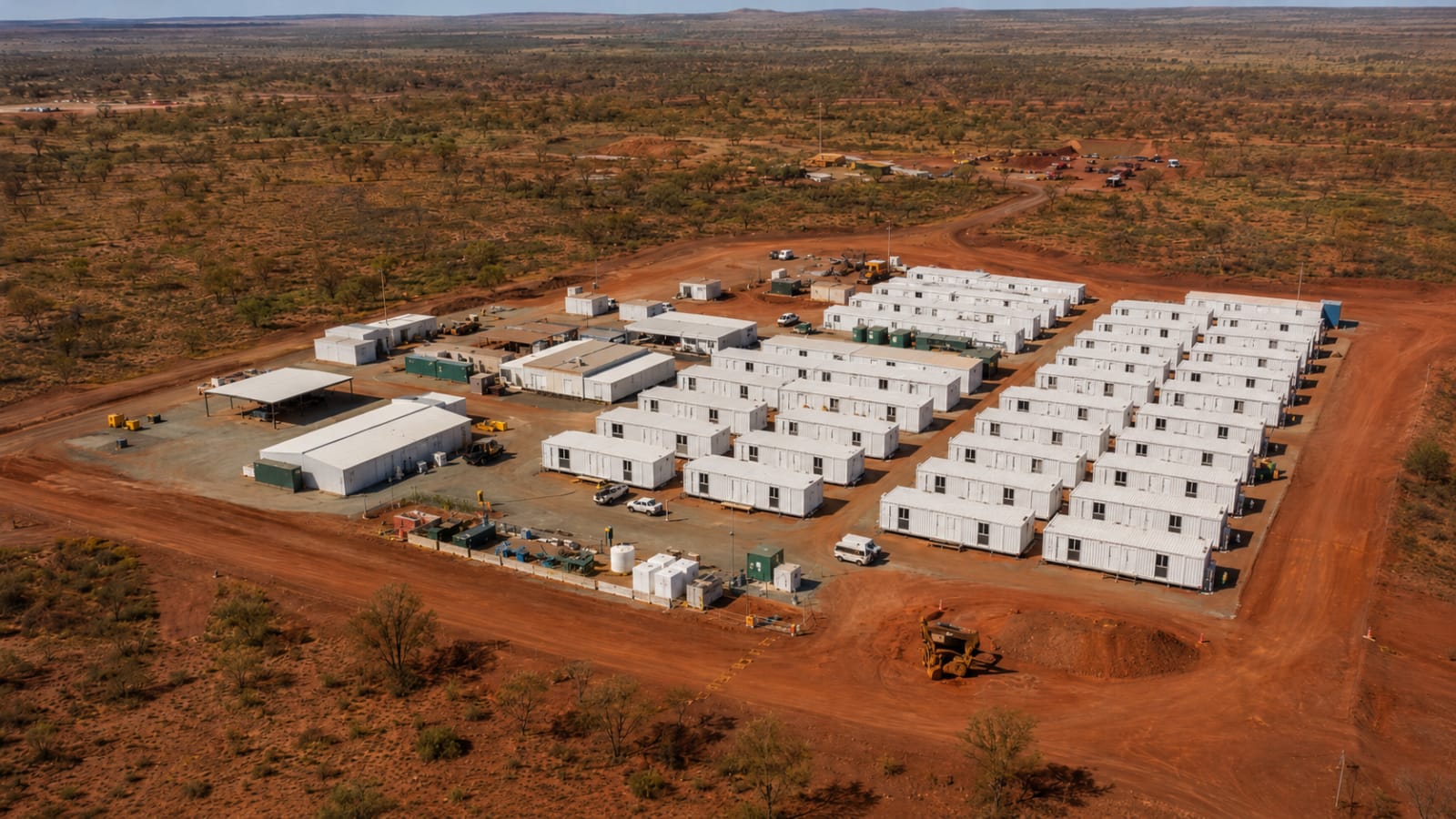
Weathering steel resists corrosion two to eight times better than ordinary carbon steel and gives roughly 15 to 20 years of marine service with minimal maintenance. The mechanism is the patina: once formed, the dense oxide layer starves the steel beneath of the oxygen and moisture that drive rust.

That performance is measurable. In accelerated salt-spray testing to ASTM B117, weathering steel retains around 80% of its mechanical properties after 1,000 hours, where plain carbon steel degrades far faster. Pairing that base metal with a marine coating system gives two independent lines of defence, the patina underneath and the epoxy on top, which is why a coastal or offshore Corten steel shipping container holds up under conditions that would pit and perforate an uncoated mild-steel box. For an operator, the result is fewer coating repairs, slower section loss and a longer usable life on the same capital.

08

Structure

In-house corner castings and structural frame

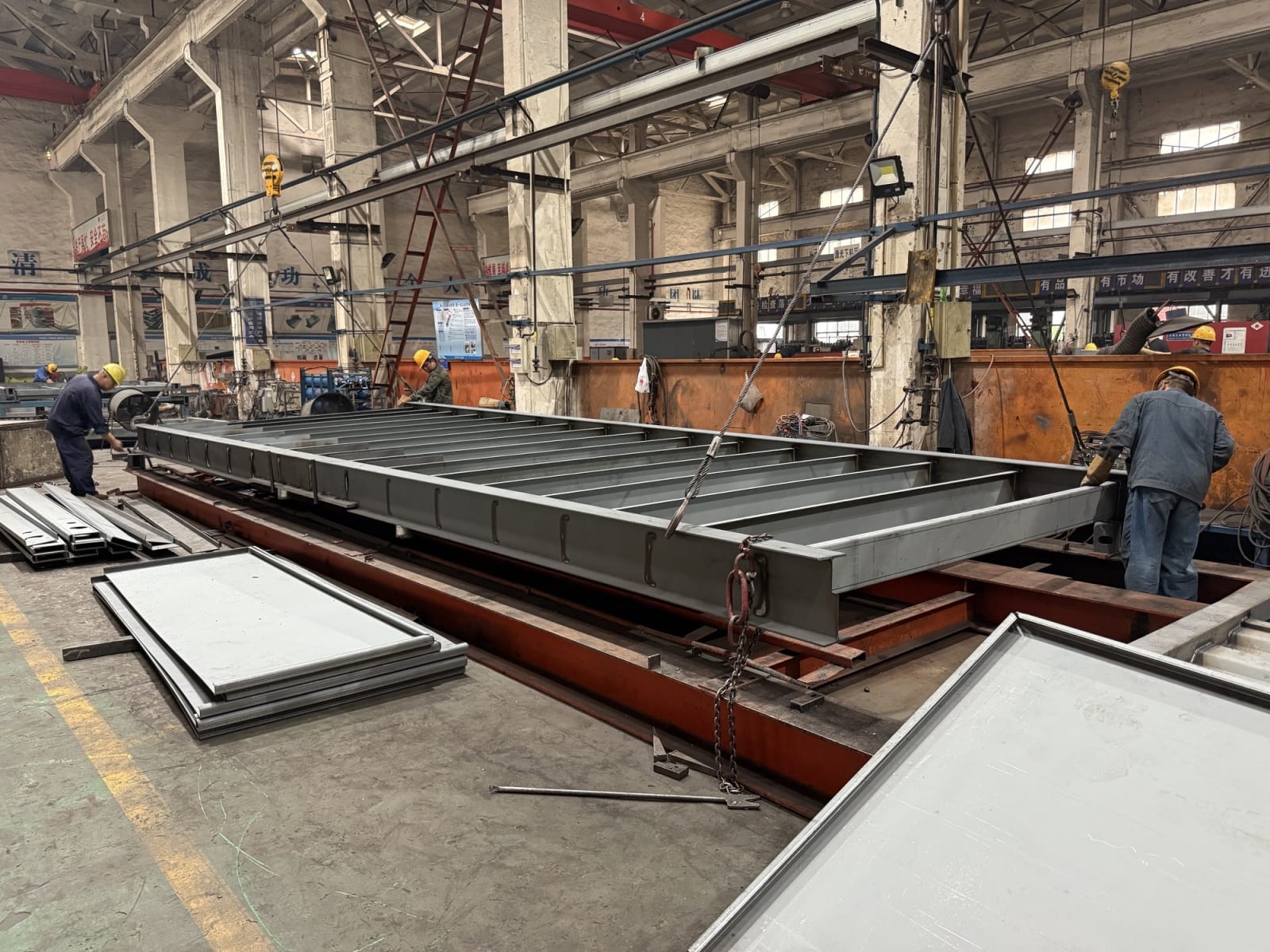
The structural frame is the load path: four corner posts, top and bottom side rails and welded cross-members, built from S355-class steel that distributes stacking and transport loads into the eight corner castings. The castings are the certified lifting and stacking points, made to ISO 1161 geometry.

Here is the part most suppliers can't claim. SCS casts its own ISO 1161 corner castings, and its offshore-grade DNV castings, padeyes and lashing gear, in our own foundry rather than buying them in, and SCS-cast components are used by other manufacturers. That vertical integration means the parts that carry every lift and every stack are made and traced under our own control, on the same site that welds them into the frame. It ties the material integrity of the box directly to our own line. You can see how those castings are produced in our factory capability walkthrough, and the same foundry supplies the heavier fittings on our offshore-grade steel and castings.

09

Spec sheet

Material specifications

Specifications conform to industry standards (ISO, JIS, ASTM, EN, AS/NZS where applicable). Confirm to project requirements.

Material and construction specifications
SpecificationValue
Shell materialCorten (weathering) steel, self-healing oxide patina
Container-grade designationSPA-H (JIS G3125)
Grade equivalentsCOR-TEN A, ASTM A242 / A588 (US), EN 10025-5 S355J2WP (EU)
Steel chemistry (SPA-H)Cu 0.25–0.55%, Cr 0.30–1.25%, Ni ≤0.65%, C ≤0.12%
Yield / tensile strength≥355 MPa / ≥490 MPa
Corrosion performance2–8× ordinary carbon steel, ~15–20 yr marine service, ~80% mechanicals retained after 1,000 h salt-spray (ASTM B117)
Wall and roof gauge1.6 mm (general purpose) to 2.0 mm (high-cube), corrugated
Structural frameCorner posts, top and bottom side rails, cross-members (S355-class)
Corner castingsISO 1161 geometry, cast in-house by SCS (ISO and offshore-grade DNV)
Flooring28 mm marine-grade plywood (apitong / keruing), moisture and insect treated, chequer-plate option
Floor strength validationForklift and concentrated-load test per ISO 1496-1
Surface preparationShot blast to Sa 2.5 (ISO 8501)
Coating systemPrimer, intermediate and topcoat in marine coatings and two-component epoxy, ISO 12944 marine grades (C5-M / CX), DFT verified with calibrated gauges
DoorsSteel panels, vertical locking bars and cams, rubber weather seals
Corrugated Corten steel wall panel showing the wave profile and paint edge at the SCS factory.
Corrugated Corten steel wall panel: the wave profile that lets a thin sheet carry a structural load.

Standards & references

The standards behind the materials

Every grade, gauge and coating figure on this page traces to one of the standards below. Follow any link through to the source authority for the current revision.

ASTM A242 / A588 High-strength low-alloy weathering steel: the original COR-TEN family the container grade descends from. ASTM International
JIS G3125 (SPA-H) Atmospheric-corrosion-resistant rolled steel: the container industry's working weathering grade. Japanese Standards Association
ISO 1496-1 Series-1 container specification and testing: the floor, racking and panel type-tests. ISO
ISO 8501 Preparation of steel substrates: the Sa 2.5 blast grade the coating is applied over. ISO
ISO 12944 Protective paint systems on steel: the C5-M / CX corrosivity categories the marine coating is built to. ISO
ASTM B117 Salt-spray (fog) testing: the accelerated-corrosion test behind the weathering-steel performance figures. ASTM International
ISO 1161 Corner-fitting geometry: the cast lifting and stacking points, cast in-house at SCS. ISO

Expert perspective

Where material choice shows up on site

“Surface preparation decides coating life more than the paint does, which is why the Sa 2.5 blast standard is treated as the controlling step and dry-film thickness is verified with calibrated gauges before a unit is released. Weathering steel resists corrosion two to eight times better than ordinary carbon steel, and pairing that base metal with a marine coating system gives two independent lines of defence, the patina underneath and the epoxy on top. That is why a coastal or offshore Corten container holds up under conditions that would pit and perforate an uncoated mild-steel box. For an operator, the result is fewer coating repairs, slower section loss and a longer usable life on the same capital.”

Managing Director Adam Baker

Next step

Talk to an engineer about specifications

If your project cites a specific standard for grade, gauge or coating, we will confirm the build against it. Bring the spec and we will set the steel, gauge and coating to your deployment.