Case Study · Gold Mining

NT Gold Mine Switchroom: 2 x 40ft HV and MCC Containerised Substation

A factory-tested HV and MCC switchroom energised weeks ahead of a field-built equivalent

Results snapshot

A factory-tested HV and MCC switchroom energised weeks ahead of a field-built equivalent

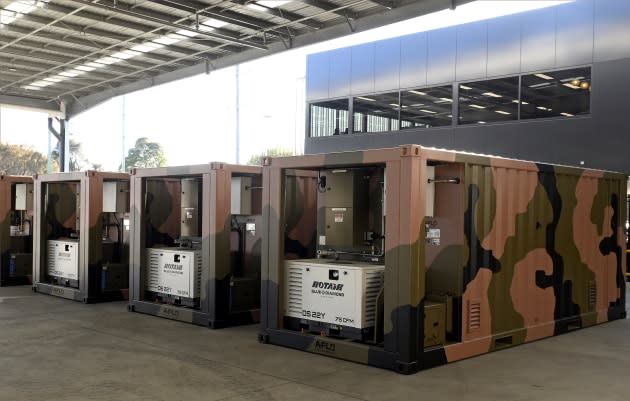
SCS Global delivered a two by 40ft containerised switchroom to a Northern Territory gold mine, forming a substation that combined high-voltage switchgear and a motor control centre in a factory-built electrical house. The modules were built to AS/NZS 3000 with switchgear assemblies to IEC 61439, rated to IP54 for the environment, climate-controlled for the Top End, and proven on a full factory acceptance test before dispatch. Because the switchroom was built and tested in the factory while site civils ran in parallel, it was positioned and energised weeks ahead of a comparable field-built switchroom. It ships as a complete, tested electrical room, not a shell to be fitted out on site. This project sits inside our switchrooms & electrical infrastructure hub at SCS Global.

Project narrative

How the project ran

Three stages: the problem the operator brought, the engineering calls SCS made, and the outcome the day after commissioning.

Challenge

The challenge: a tested HV and MCC switchroom that does not hold up the energise date

A Northern Territory gold mine needed a substation combining high-voltage switchgear and a motor control centre to feed a process area, energised on a date the rest of the works keyed off. Building a switchroom in the field at a remote site is slow and exposed, with construction, installation, and testing all in sequence. The electrical had to be built to AS/NZS 3000, the LV assemblies to IEC 61439 and the HV gear to IEC 62271, and the room rated IP54 and climate-controlled for the Top End. Above all, it had to be proven before it became the critical path.

Action

The action: a factory-built electrical house, proven on a full acceptance test

SCS built the substation as two 40ft modules forming a containerised substation, integrating the HV switchroom and the motor control centre as one electrical system. The electrical was built to AS/NZS 3000 with the LV and MCC assemblies to IEC 61439 and the HV switchgear to IEC 62271, the enclosure sealed to IP54 and climate-controlled for the design temperatures. Protection coordination, earthing, and the control and SCADA interfaces were wired and proven together. Built to the QA in our manufacturing process, the switchroom passed a full factory acceptance test under power before dispatch.

Result

The result: energised weeks ahead of a field-built equivalent

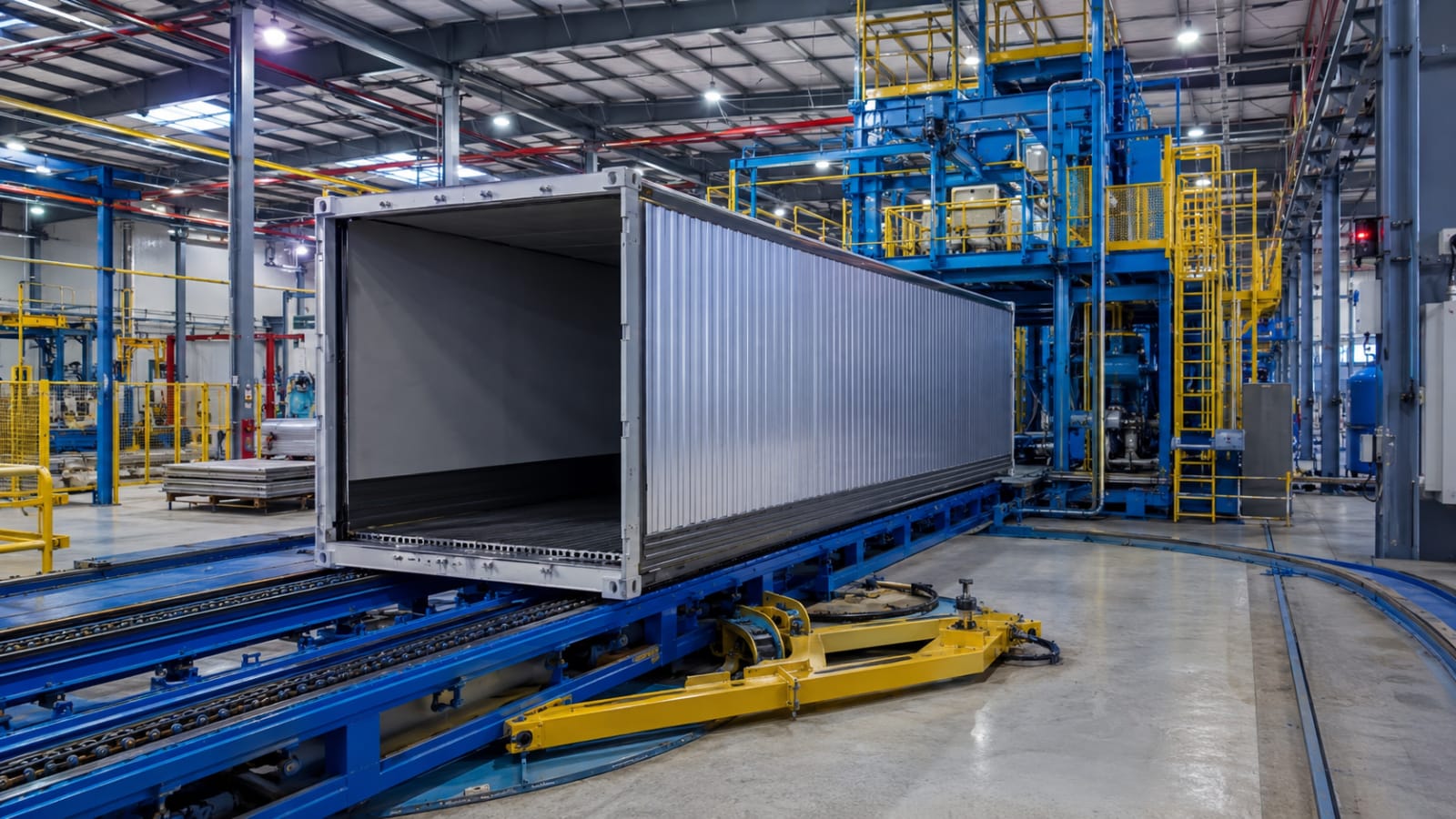
Because the switchroom was built and proven in the factory while site civils ran alongside, it was positioned and energised weeks ahead of a comparable field-built room, and the energise date was met. The factory acceptance test meant site commissioning verified a known-good room rather than a first power-up, so there was no on-site fault-finding on the critical path. The IP54 enclosure and climate control kept the switchgear inside its ratings from day one, and the integration risk was retired on the factory floor.

Outcomes

Quantifiable transformation

Before, after, and the delta against the project deliverables that SCS and the operator tracked.

Factory acceptance test

Before
Target: first-cycle pass
After
Passed first cycle
Delta
0 reworks

Energise vs field-built schedule

Before
Field-built baseline
After
Energised weeks ahead
Delta
Weeks earlier

Enclosure rating

Before
Brief: IP54
After
IP54, climate-controlled
Delta
Met

On-site electrical fault-finding

Before
Field-build risk
After
Verification only
Delta
Eliminated

Next step

Want a similar outcome? Talk to engineering.

Bring the substance, the volume, the jurisdiction, and the operator standard. Our engineering team will walk through the engineering and compliance pathway against your scenario and return a factory documentation pack you can take to procurement.